A logo helps people recognize a business. Positioning helps them understand why that business might be right for them. Both matter, but they solve different parts of the same challenge: making a clear and credible impression.
When every company describes itself as professional, innovative and high quality, customers have little useful information to compare. A stronger brand explains who it serves, what it helps them achieve and why its approach is relevant.
Begin with the customer’s decision
What does your customer need to feel confident about before choosing you? For a hotel, it might be location, atmosphere and the ease of booking. For a construction company, it could be relevant experience, project information and clear communication.
Your positioning should respond to that decision. It should also reflect what the business can actually deliver. A promise that depends on capabilities you do not have is difficult to sustain.
Make the value concrete
Replace broad claims with useful explanations. Instead of saying that your service is “complete,” show what it includes and how the process works. Instead of relying only on “premium,” communicate the details that justify that description.
Evidence can include relevant work, a transparent process and genuine customer feedback. Use only information you can support. Clear, accurate details give your audience something meaningful to assess.
Connect identity with experience
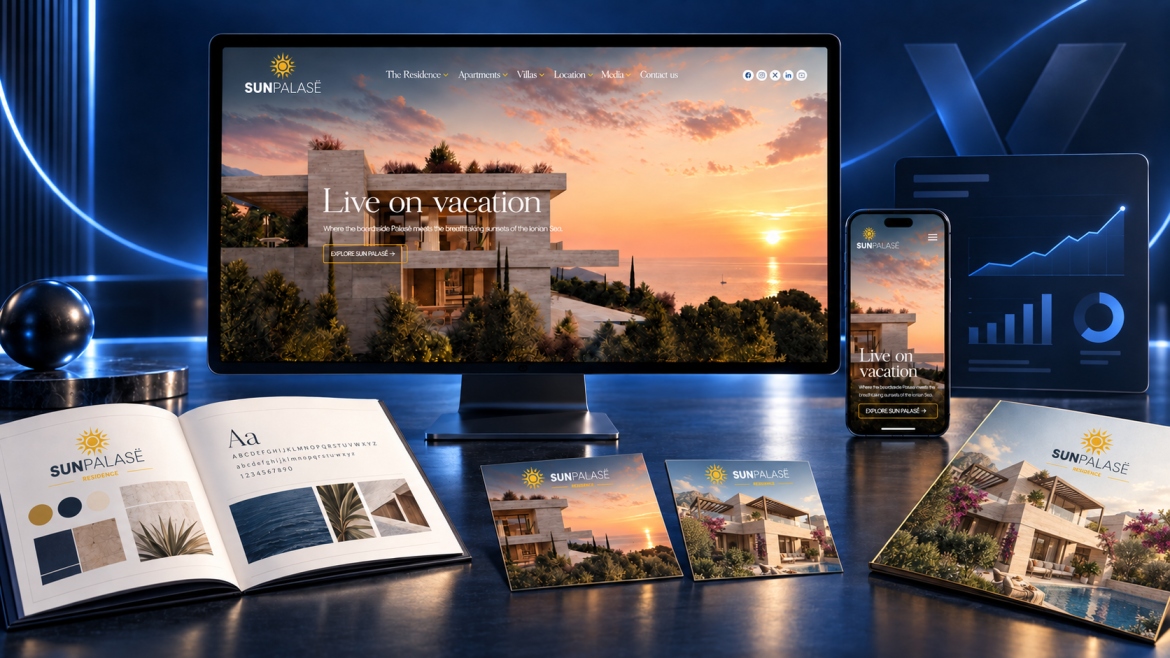
Your visual identity, website, proposals and customer communication should feel like parts of one business. Consistency helps people recognize you and understand what to expect.
That consistency also needs an operational foundation. If the brand promises personal attention, how are enquiries handled? If it promises simplicity, are the booking or purchasing steps easy to follow?
Give the team a shared reference
Document your audience, positioning, key messages and visual rules. Use that reference when creating content or introducing new services. It makes everyday decisions easier and reduces conflicting messages.
At VIB, brand development connects business direction with identity and communication. The aim is to build a brand that expresses a clear value and can carry that value across the customer journey.